

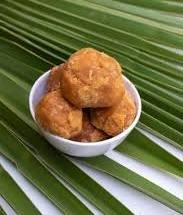
Muzaffarnagar: The “Bowl of Jaggery” in India
India is a land of rich agricultural traditions, and many regions are known for producing specific crops or products that define their identity. One such remarkable district is Muzaffarnagar, often proudly referred to as the “Bowl of Jaggery” in India. This title reflects the district’s major contribution to the production of jaggery, an essential traditional sweetener made from sugarcane.
Why is Muzaffarnagar Called the “Bowl of Jaggery”?
Muzaffarnagar, located in the state of Uttar Pradesh, is one of the leading producers of sugarcane in the country. A large part of the sugarcane harvested in this district is used to make jaggery (gur), which is why the area earned the title of “Gur Ka Katora” or the “Bowl of Jaggery.”
The fertile soil, favorable climate, and extensive farming practices make this district ideal for sugarcane cultivation.
Importance of Sugarcane Farming
Sugarcane is one of the most important cash crops in Muzaffarnagar. Thousands of farmers depend on it for their livelihood. The district produces a huge amount of sugarcane every year, which supports:
Jaggery production
Sugar mills
Local employment
Trade and transport industries
This makes the local economy strongly dependent on agriculture and sugarcane-related businesses.
Jaggery Production Process
The jaggery made in Muzaffarnagar is known for its quality and taste. The production process involves:
Crushing fresh sugarcane to extract juice
Boiling the juice in large pans
Thickening and cooling it into solid jaggery blocks
This traditional method gives jaggery its natural sweetness and rich mineral content.
Economic Significance
The jaggery industry in Muzaffarnagar contributes significantly to the economy of the region. It provides income not only to farmers but also to:
Laborers
Traders
Transporters
Small business owners
Large quantities of jaggery from Muzaffarnagar are supplied to many parts of India, making it an important trade center.
Health Benefits of Jaggery
Jaggery is often preferred over refined sugar because it retains natural minerals such as iron and potassium. It is commonly believed to:
Aid digestion
Provide quick energy
Help cleanse the body
Because of these benefits, jaggery remains popular in Indian households.
Agricultural Strength of the Region
Muzaffarnagar’s success in jaggery production is due to:
Fertile alluvial soil
Good irrigation facilities
Experienced farmers
Strong market demand
These factors have helped the district maintain its identity as a major jaggery-producing region.
Challenges Faced
Despite its strength, the jaggery industry in Muzaffarnagar faces some challenges:
Fluctuating sugarcane prices
Rising production costs
Weather-related risks
Competition from refined sugar
Even with these difficulties, the district continues to play a major role in jaggery production.
A Land of Sugarcane
The fertile soil of western Uttar Pradesh and good irrigation facilities make Muzaffarnagar ideal for growing sugarcane. A major part of the district’s economy depends on agriculture, and sugarcane is one of its most important crops.
More than 70% of the population is connected with agriculture in some way, directly or indirectly.
The abundance of sugarcane naturally supports a thriving jaggery industry.
Traditional Jaggery Making
The process of making gud is deeply rooted in the culture of the district.
The traditional steps include:
Crushing fresh sugarcane to extract juice
Boiling the juice in large iron pans
Removing impurities carefully
Thickening the liquid into golden-brown jaggery
Shaping it into blocks, balls, or powder
These methods have been followed for generations.
Economic Importance
Muzaffarnagar’s jaggery is not only consumed locally but also transported to states such as:
Rajasthan
Haryana
Delhi
Gujarat
It plays a major role in supporting farmers, local traders, and small-scale industries. The district is also included in the One District One Product (ODOP) scheme for jaggery.
GI Tag Recognition
A proud achievement for the district is that Muzaffarnagar Gur received a Geographical Indication (GI) tag in 2023. This means the jaggery from this region has a recognized identity and quality linked specifically to its place of origin.
This recognition has increased its value and reputation in national markets.
Cultural Significance
Rajasthan
Haryana
Delhi
Gujarat
It plays a major role in supporting farmers, local traders, and small-scale industries. The district is also included in the One District One Product (ODOP) scheme for jaggery.
GI Tag Recognition
A proud achievement for the district is that Muzaffarnagar Gur received a Geographical Indication (GI) tag in 2023. This means the jaggery from this region has a recognized identity and quality linked specifically to its place of origin.
This recognition has increased its value and reputation in national markets.
Cultural Significance