

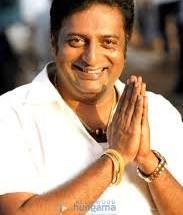
Prakash Raj’s Sharp Remark on Raghav Chadha: A Controversial Political Jibe
Indian public discourse often witnesses strong statements and sharp political commentary, especially when public figures express their views openly. Recently, actor and political commentator Prakash Raj made headlines after taking a jibe at Raghav Chadha, sparking debate across media and social platforms.
What Was the Remark?
Prakash Raj reportedly made a sarcastic statement comparing the idea of joining the Bharatiya Janata Party to “joining Dawood Ibrahim.” The comment was clearly intended as a political critique, using exaggeration to express disagreement or disapproval.
Such statements, while rhetorical in nature, often attract strong reactions due to the seriousness of the comparison.
Context Behind the Statement
Political debates in India have become increasingly vocal, with leaders, actors, and influencers actively participating. Prakash Raj has been known for his outspoken views on political matters, frequently criticizing policies and parties he disagrees with.
Raghav Chadha, on the other hand, is a prominent leader of the Aam Aadmi Party, and has been active in national politics. Any remark involving such figures naturally gains public attention.
Public and Political Reactions
The statement quickly spread across social media, leading to mixed reactions:
Supporters of Prakash Raj viewed it as an example of free speech and political satire.
Critics called it inappropriate and disrespectful, arguing that such comparisons lower the quality of political discussion.
In a democratic setup, strong opinions are expected, but the tone and language used often become points of debate.
Freedom of Expression vs Responsible Speech
This incident highlights an ongoing issue in modern politics: the balance between freedom of expression and responsible communication.
While individuals have the right to express their opinions, public figures carry greater responsibility because their words influence large audiences. Strong metaphors and comparisons may attract attention, but they can also deepen divisions.
The Bigger Picture
Political dialogue is essential for a healthy democracy, but its effectiveness depends on constructive discussion rather than personal attacks. When debates shift from issues to sharp personal remarks, the focus moves away from real problems like development, governance, and public welfare.
Conclusion
Prakash Raj’s comment on Raghav Chadha has once again brought attention to the tone of political discourse in India. While such remarks generate headlines, they also raise questions about the kind of conversations shaping public opinion.
In the long run, meaningful and respectful dialogue is more beneficial than provocative statements. A democracy grows stronger not just through freedom of speech, but through thoughtful and responsible communication.